







The New Role of Terminals in Global Trade Resilience
19.02.2026
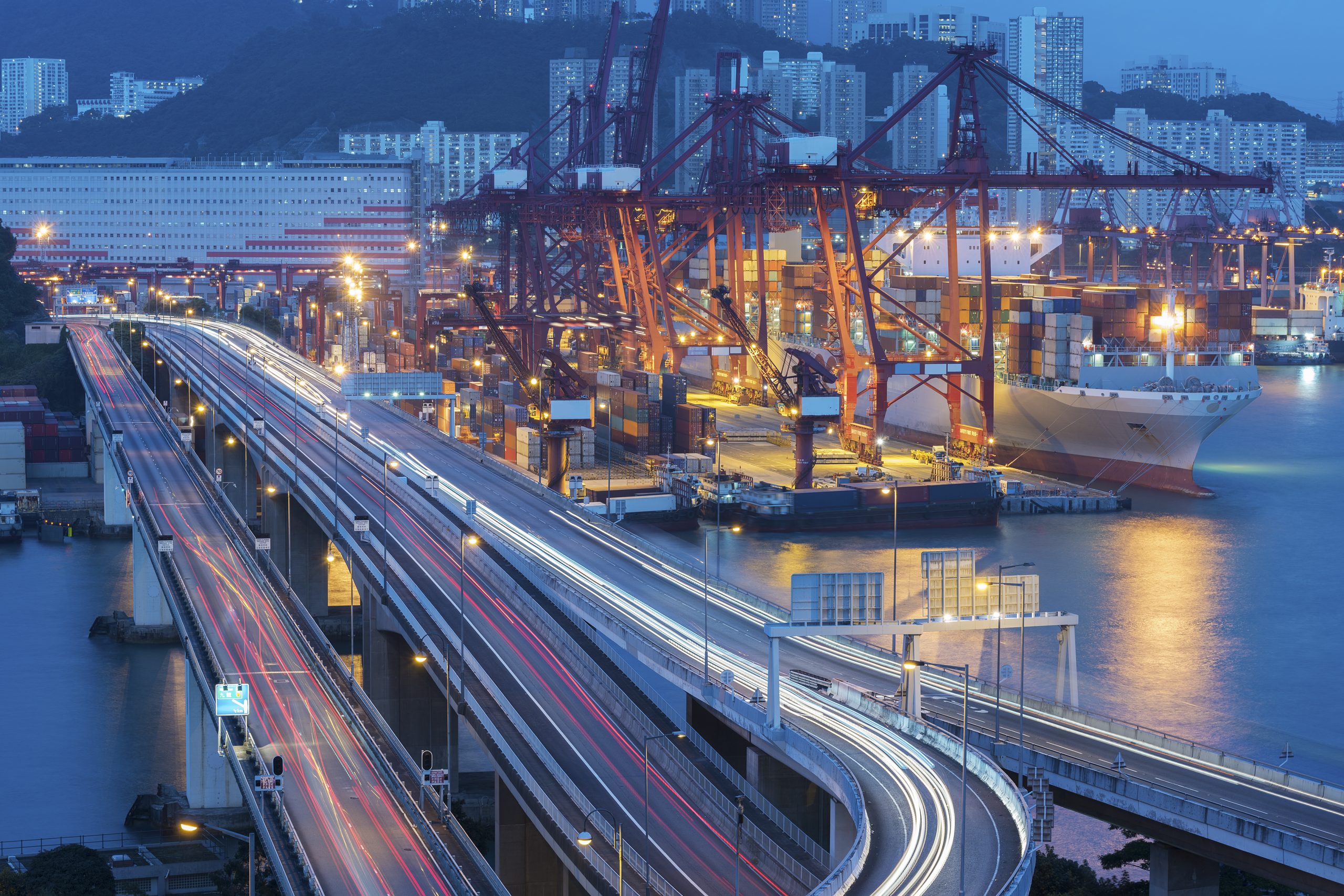
The New Role of Terminals in Global Trade Resilience
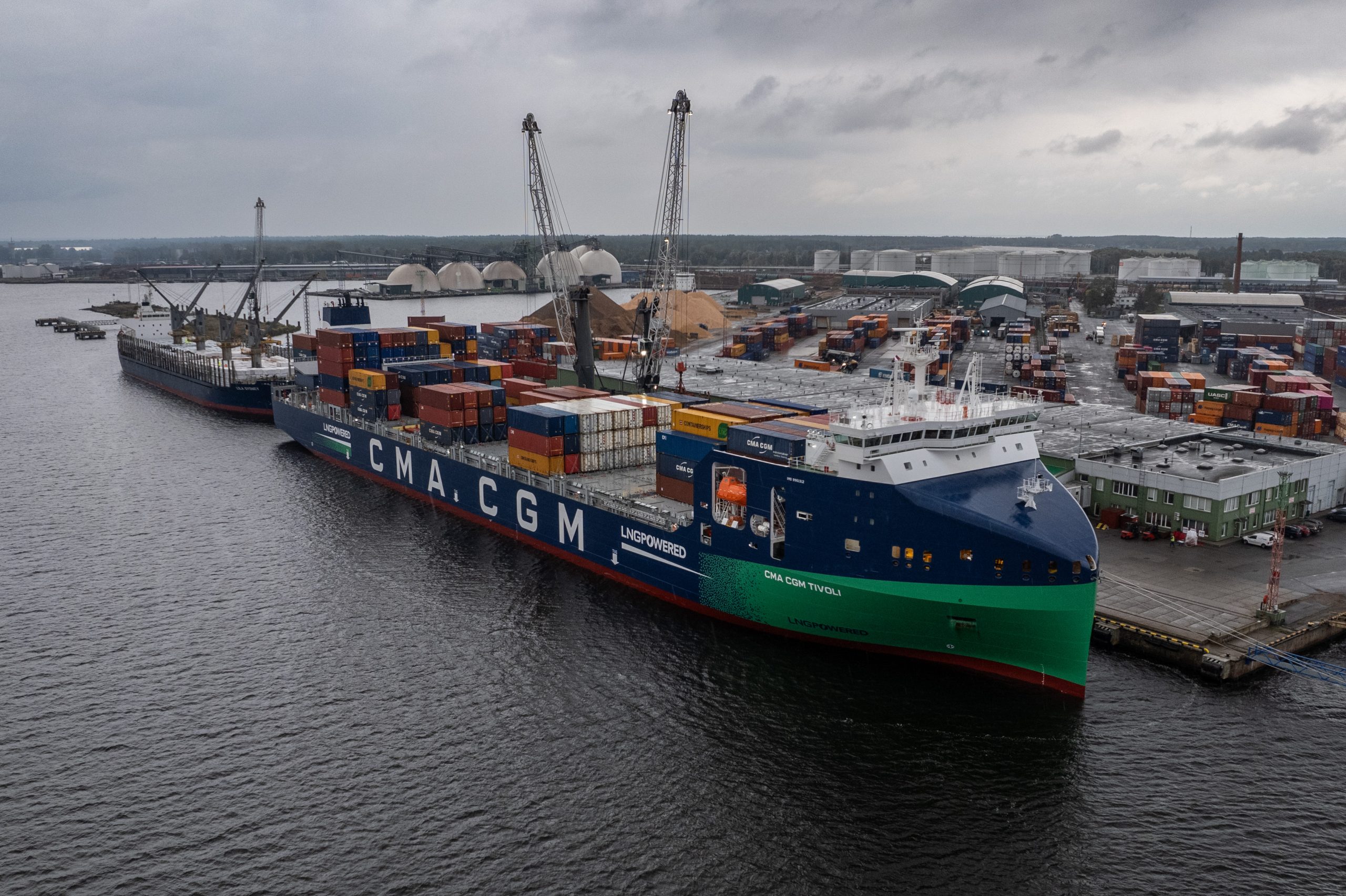
Global trade is no longer operating in stable cycles. According to recent analyses from UNCTAD, maritime trade flows continue to face structural pressure from geopolitical tensions, route disruptions, and freight rate volatility. The rerouting of vessels in the Red Sea and broader regional instability have significantly increased transit times, operational uncertainty, and cost variability across global supply chains. For ports and terminals, this is more than a temporary disturbance, it represents a structural shift.
From Throughput Centers to Stability Anchors
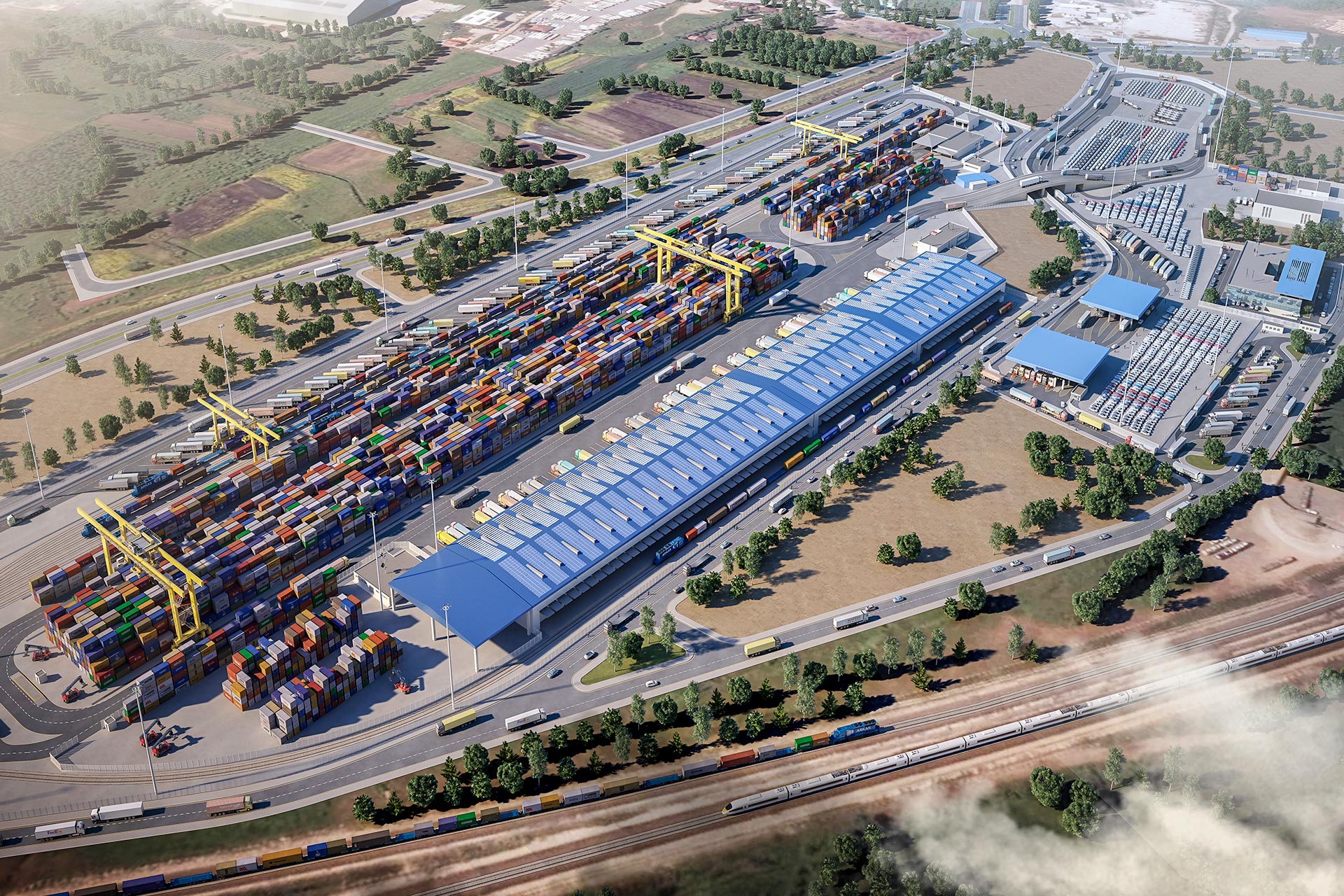
Traditionally, ports were evaluated primarily on volume: how many containers were moved, how fast vessels turned around, and how efficiently cargo flowed through gates. Today, resilience has become just as critical as throughput. When shipping lines alter routes unexpectedly, schedules compress, or cargo arrives in unpredictable waves, terminals become the shock absorbers of global trade. Their ability to absorb variability without operational breakdown defines the reliability of entire supply chains. Resilience is no longer abstract; it is operational.
What Resilience Actually Looks Like at Terminal Level
Operational resilience in ports depends on several key capabilities:
-
Flexible berth and yard planning
-
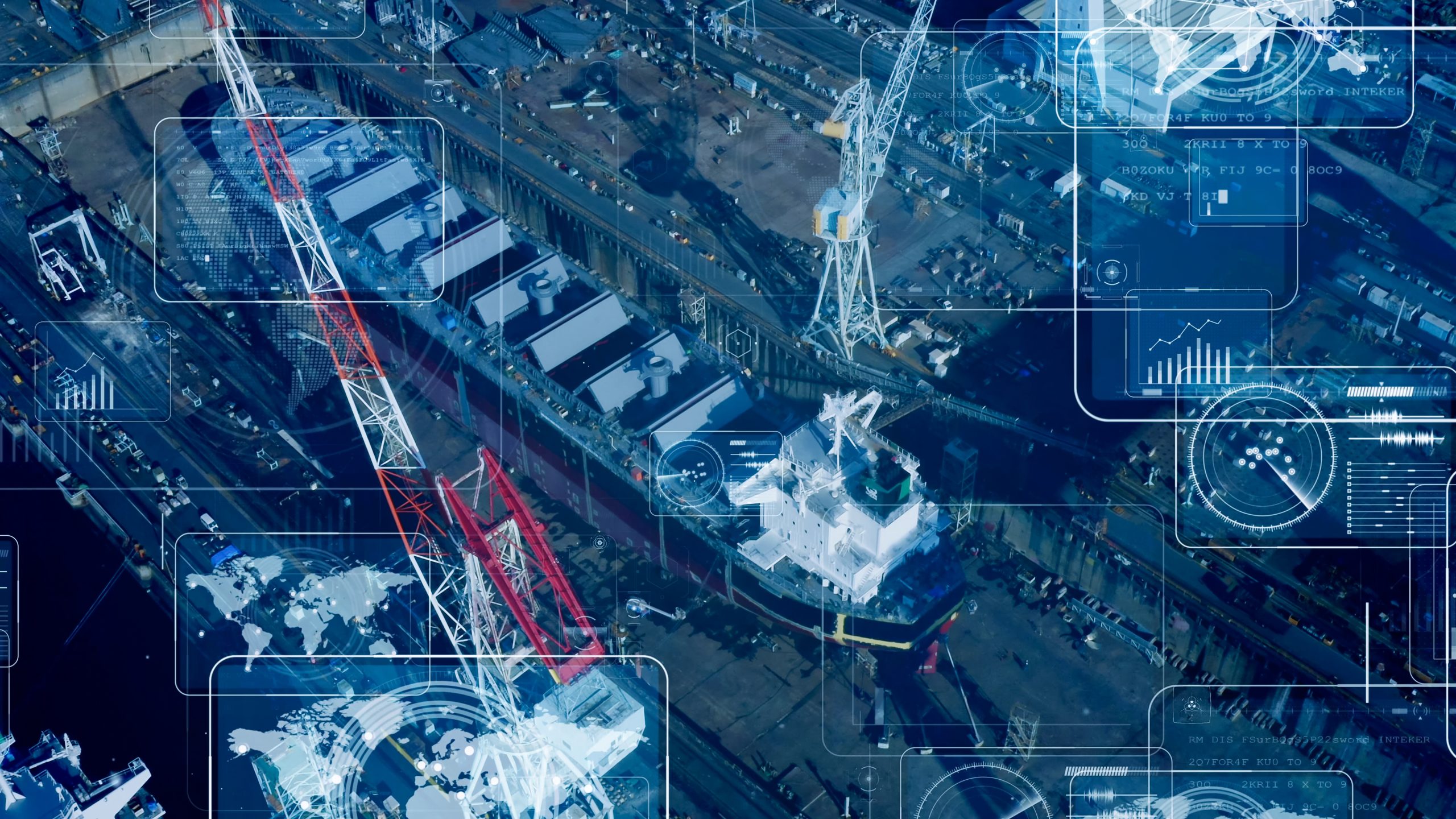
Real-time visibility into vessel and cargo movements
-
Coordinated communication between stakeholders
-
The ability to adapt workflows quickly without creating bottlenecks
Terminals that rely heavily on manual processes or disconnected systems often struggle when variability increases. Small inefficiencies compound quickly under pressure. In contrast, ports with integrated operational environments can reallocate resources faster, adjust priorities dynamically, and maintain service stability even during disruption.
Designing Ports for an Uncertain Future
Resilience must be designed into operations rather than added reactively during crises. That means:
-
Building operational flexibility into planning processes
-
Ensuring decision-makers have access to real-time information
-
Aligning operational and financial visibility
-
Reducing dependency on manual coordination
In a world where trade routes can shift overnight, terminals that can respond with clarity and speed will define the next standard of reliability. Global trade may remain volatile, but resilient ports can provide the stability that supply chains increasingly depend on.